About
The short version
Co-founder & CTO of Keeyu, Sydney.
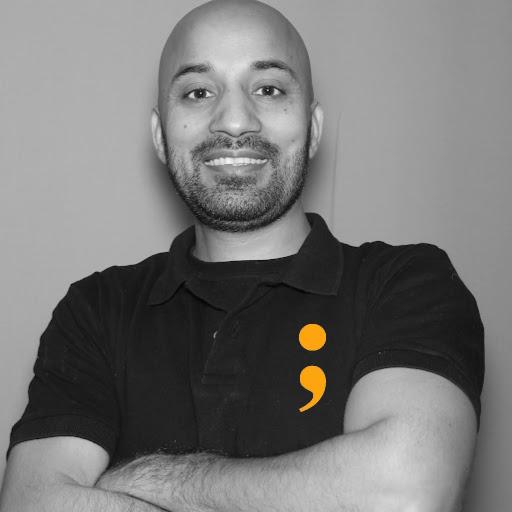
I’m Tahir Rauf, co-founder and CTO of Keeyu in Sydney. We build AI that keeps e-commerce orders on track for retailers including Rebel Sport, Camilla, Helly Hansen and Decjuba. Our agents do the work. Teams approve every workflow, and any agent action can be reversed. We’ve raised $7M across angel, pre-seed and seed.
I’m originally from Lahore, Pakistan, and studied at FAST-NU. I’ve spent two decades building software for large enterprises and for startups shipping daily. Before Keeyu, I worked on payments and retail systems at Mastercard and Woolworths. The lesson across all of it: the hardest problems aren’t technical. They’re about compressing complexity into something people can run and trust.
Now I write about what happens when building gets cheap. Judgement, comprehension and accountability cost what they always did, so they’ve become the bottleneck. I’ve named two failure modes I keep seeing, Reverse Hallucination and Vibe Blur, and set out what works in The 9 Principles of Being a 10X Human.
I use AI every day. I just don’t hand it the responsibility. That stays with people, in what I write and in how we design Keeyu’s agents.
Beliefs
What I believe
Where I stand on the calls every technology leader now has to make.
Generation is cheap. Review is the job.
AI output is a first draft, never a final. Producing it is the cheap 20%. Reading, editing and judgement are the expensive 80%, and you can’t skip them.
No owner, no ship.
If AI drafted it and your name is on it, you own it. Every document, contract and pull request needs a person who has read it end to end and will defend it.
Two or three agents per engineer. Not twenty.
Past that, you become a router, not a reviewer. Throughput rises, understanding falls, and the bugs wait for production.
Vertical agents will beat general copilots.
A copilot suggests, then hands the work back. A vertical agent knows one domain, works inside the systems that run it, and finishes the job. Keeyu is built on that bet.
Publish the prompt with the document.
If AI helped write a document, share the prompt alongside it. Readers can then judge the thinking, not just the polish.
Ship daily, not in two-week sprints.
Small daily changes are easier to understand and review, and early customer feedback beats any internal planning session.
Open source
I still build
A few open-source tools I’ve made for working with AI agents.
SkillsKit
64 open-source AI agent skills across 8 departments, from dev, security and DevOps to sales, marketing and internal comms.
GitHub
The rest of my open-source work.
Volunteering
Out on the trail
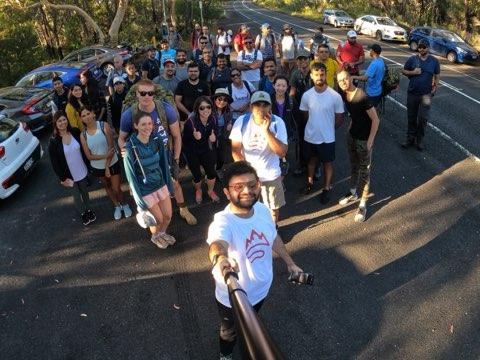
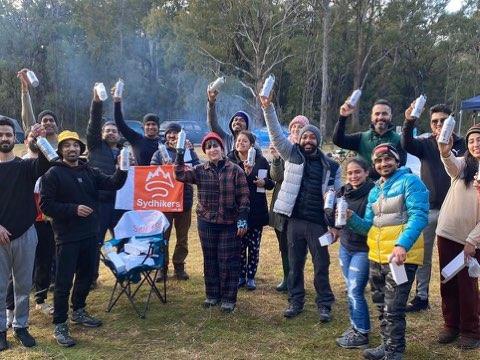
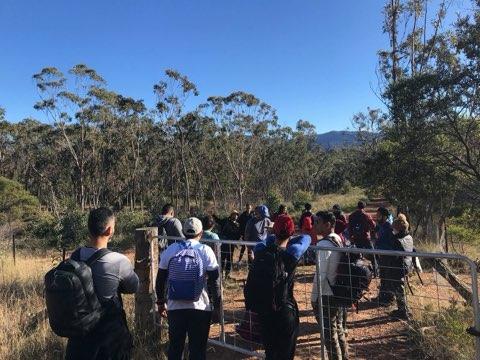
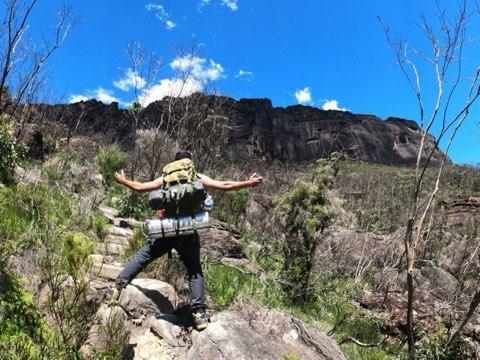
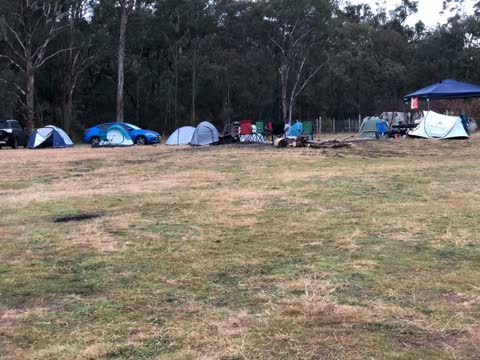
In 2017 I started Sydhikers with a few friends: free, volunteer-led hikes. It grew by word of mouth to thousands of members, with hundreds of hikes and climbs in every corner of Australia, and radio and other media have covered it. It has helped thousands of people look after their physical and mental health. I’m its president.


Farming
Close to the roots
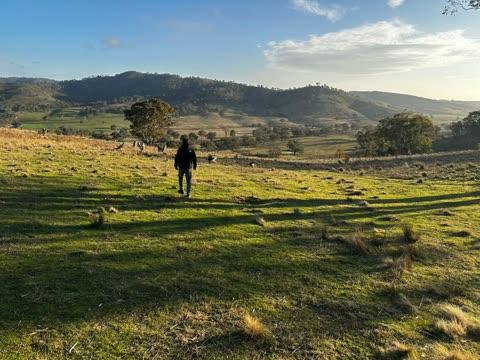
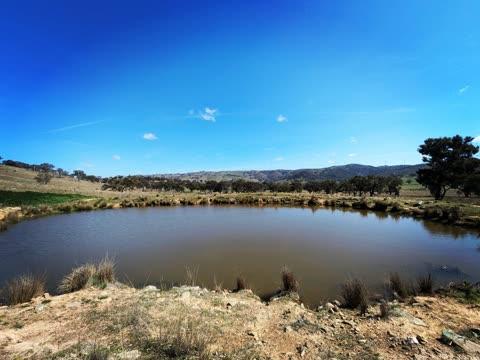
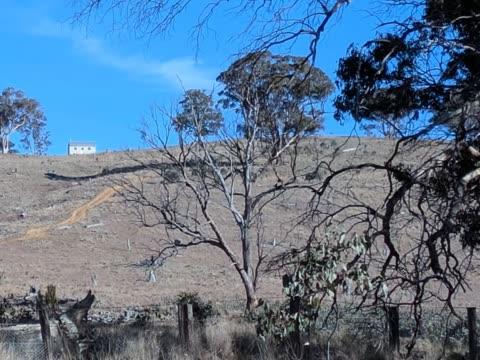
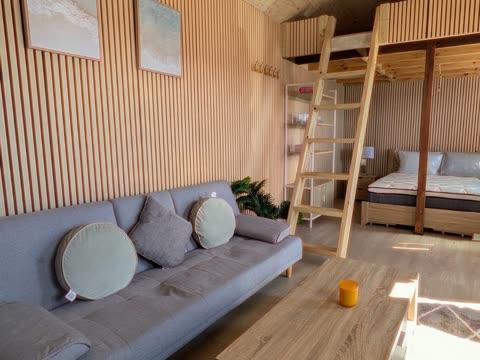
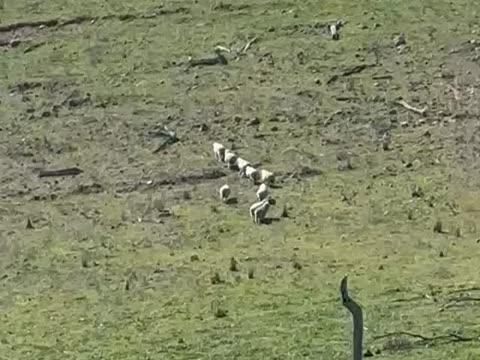
I’m drawn to farming and off-grid living. I own off-grid farms, and I like to spend some of my weekends on them, close to nature and hands on. I feel that to love Mother Nature, you have to stay close to your roots.



Invite me on your podcast
I’ve been on several podcasts to talk about Lahore, Keeyu and how we build, and outlets including Startup Daily, Business News Australia and SmartCompany have covered Keeyu. If you host a show, the media kit has bios, an intro script and a booking link.