40% Better Podcast
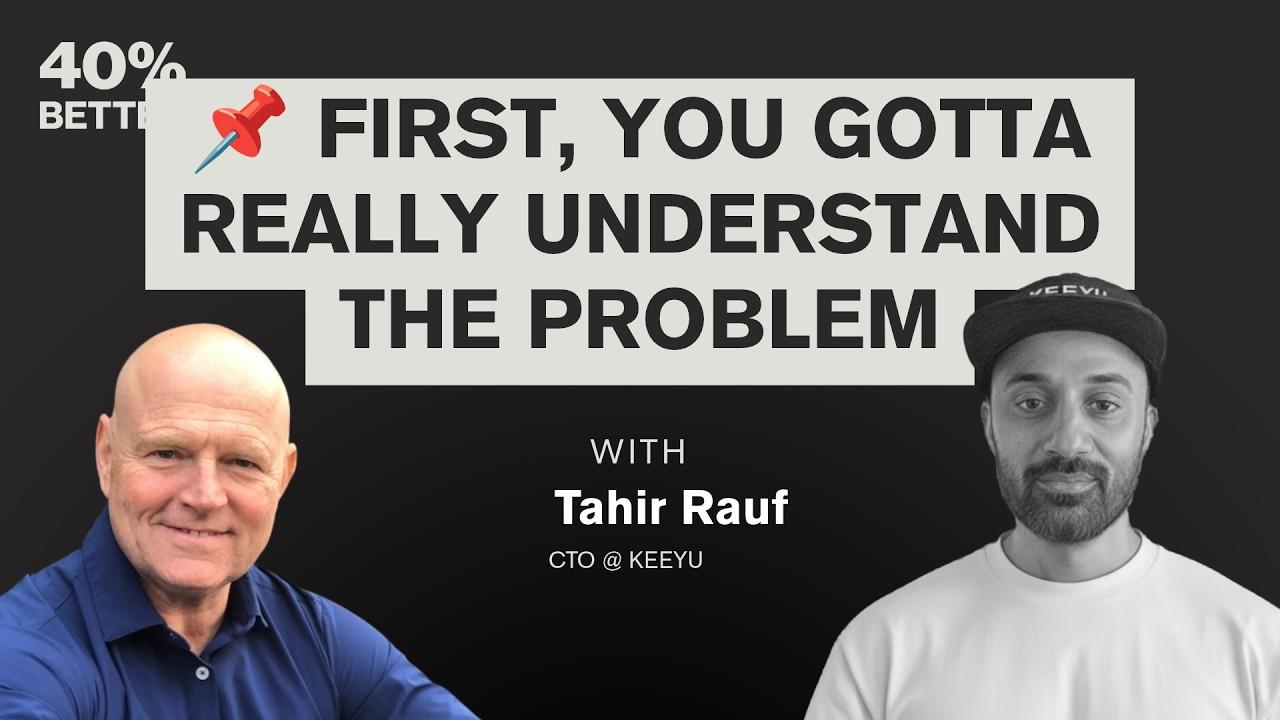
First, You Gotta Really Understand the Problem
Writing code on paper, a first business that failed, and teaching critical thinking by giving people ownership.
Media kit
Strong views on AI agents, from a CTO who runs them in production.
Co-founder and CTO of Keeyu, formerly of Mastercard and Woolworths, Tahir Rauf talks about keeping people accountable for what AI agents do, the ideas behind Reverse Hallucination and Vibe Blur, and the road from Lahore to Sydney.
Appearances
40% Better Podcast
Writing code on paper, a first business that failed, and teaching critical thinking by giving people ownership.
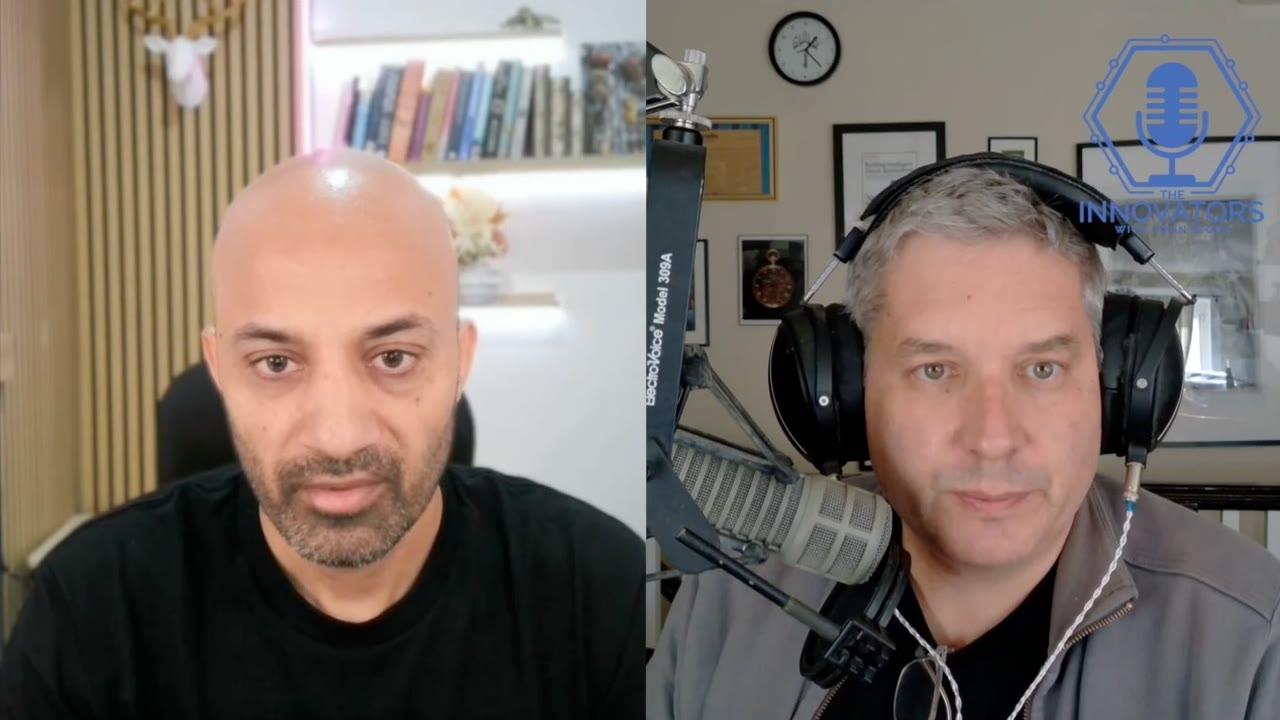
The Innovators
From John Biggs’s Keep Going podcast.

Bee Formless
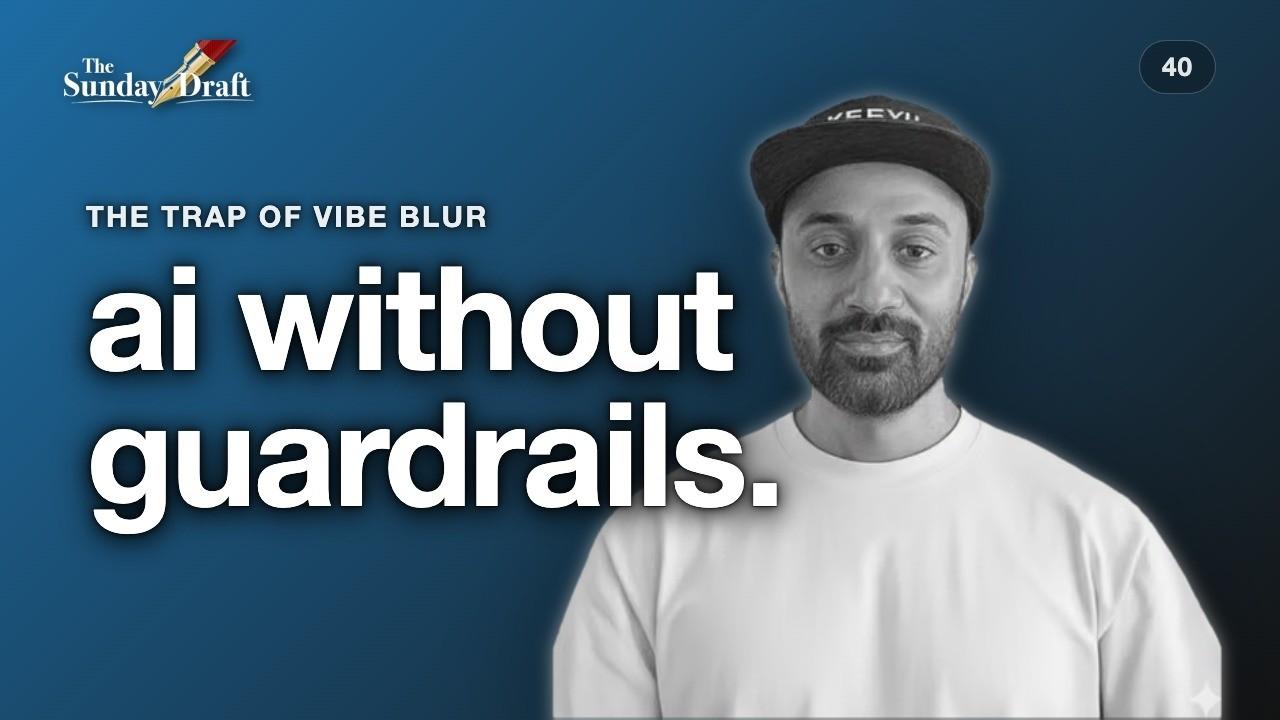
The Sunday Draft
Deterministic guardrails for AI agents, vibe coding and vibe blur, and what agentic AI means for junior developers.

Asia Tech Podcast
Michael Waitze’s show, billed as Asia’s largest B2B tech podcast.

Mindset Matters
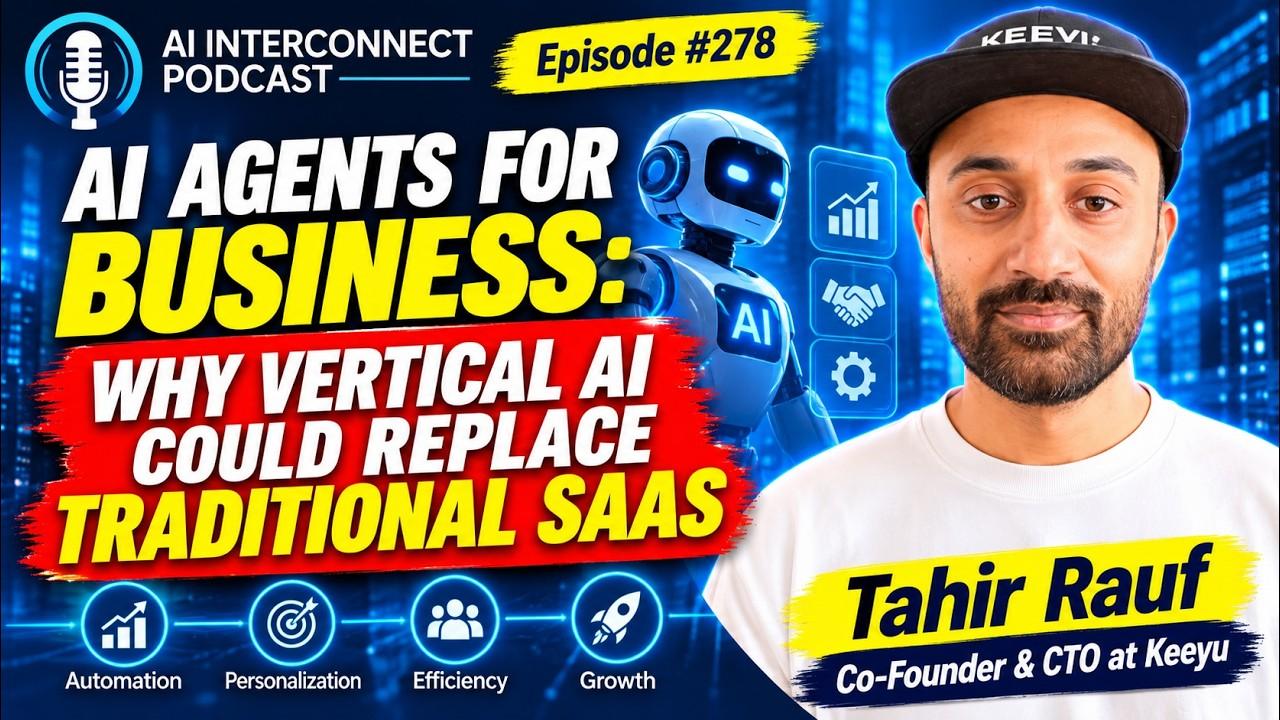
AI InterConnect Podcast
How Keeyu builds differently.
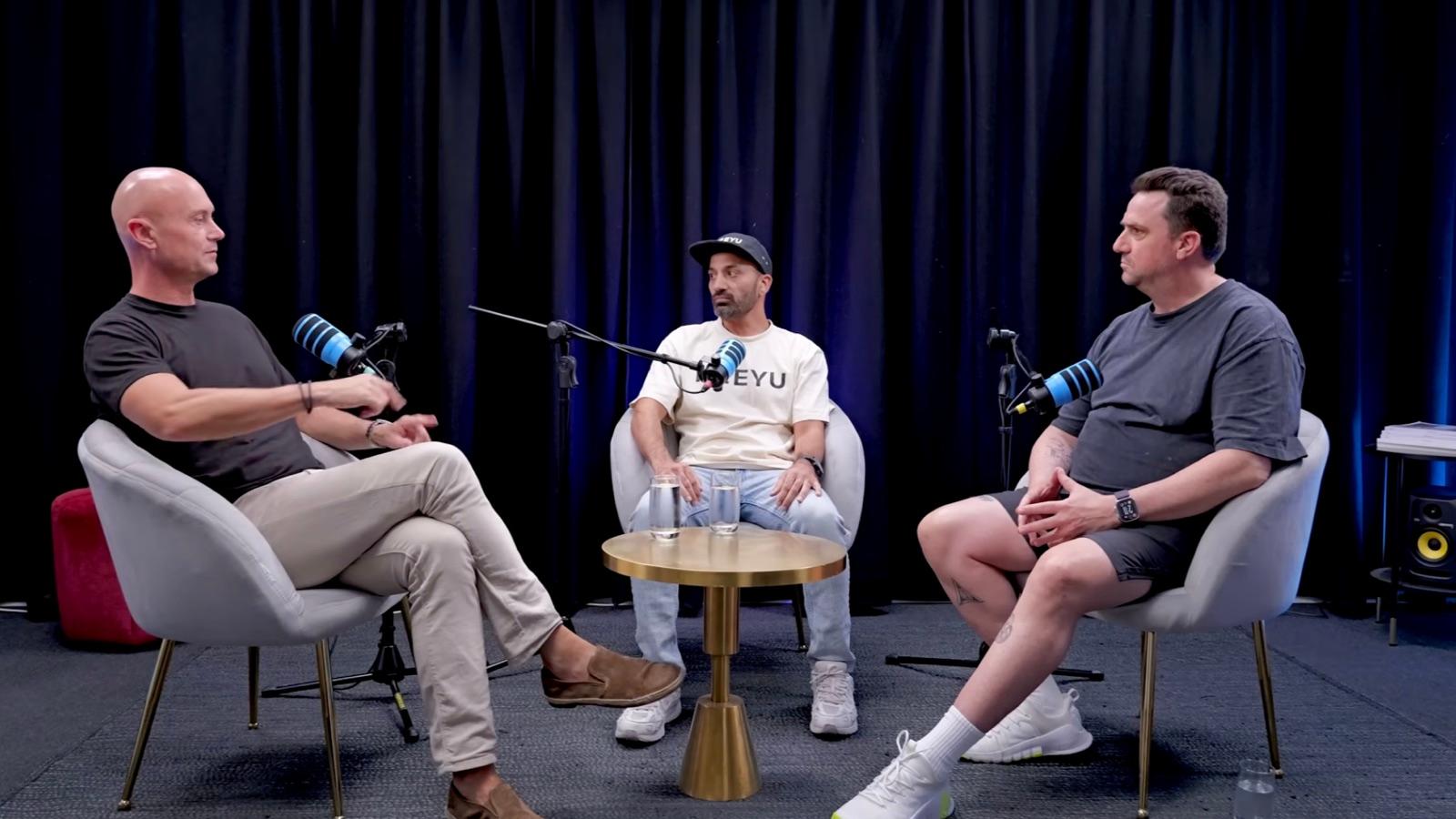
Give it a Nudge
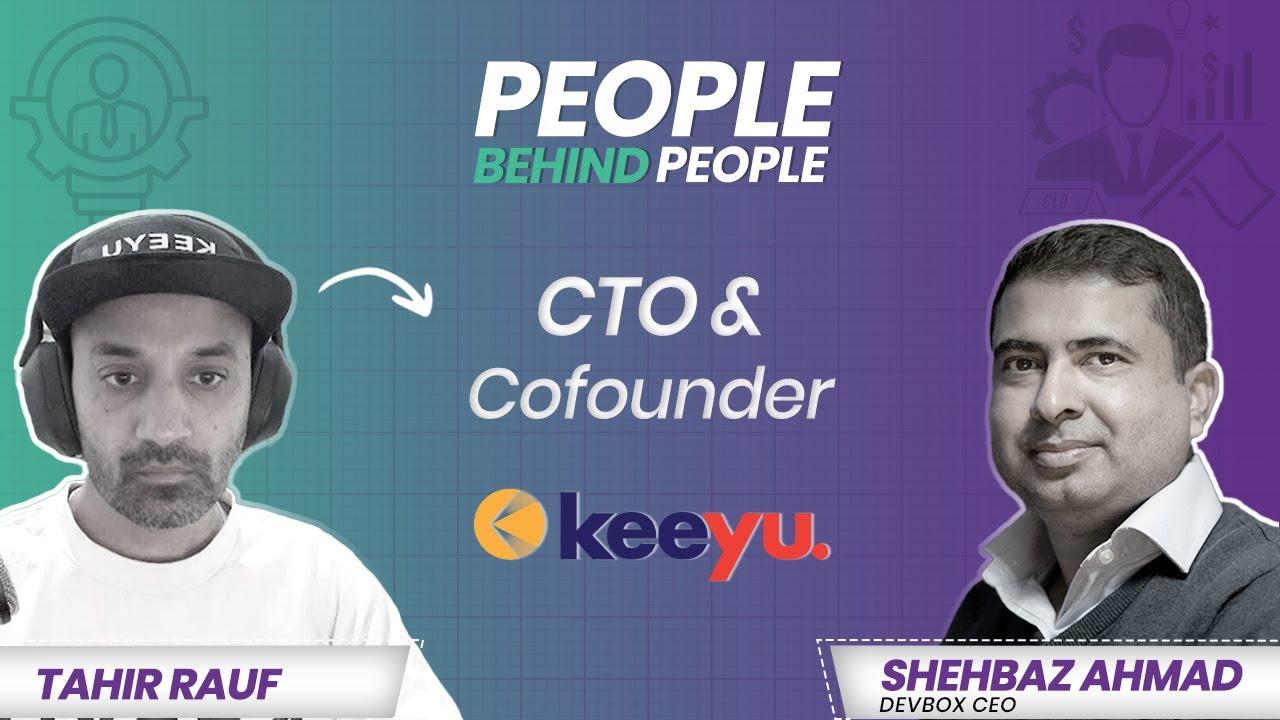
People Behind People
Press
Funding coverage refers to one round. Keeyu has raised $7M in total across angel, pre-seed and seed.
Angles
AI is moving from tools that suggest to agents that do the work. Tahir’s question is what that leaves for people. His answer: when producing almost anything costs next to nothing, judgement, comprehension and accountability become the scarce, human part of every job.
Sample question
If AI agents end up doing most of the work, what should people still insist on doing themselves?
Frontier labs are racing to build ever more general models. Tahir argues you should judge an AI product by who does the work, and that vertical agents will beat general copilots. The room for startups is what a general model can’t know: one domain mapped in depth, the systems a business already runs, and an owner for every outcome. Keeyu is that bet in practice: 86 mapped order problems, 30+ agents and around 100 connectors.
Sample question
What can’t the big AI labs build, and where is there still room for a startup?
Everyone guards against AI making things up. Tahir argues the bigger risk now runs the other way: people generate more than they can read, then ship it anyway. He calls the gap generation debt, and he has a near-miss with an AI-drafted contract to show for it.
Sample question
Tell us about the AI-drafted contract with clauses that nearly slipped through. What caught them, and what would it have cost if nobody had?
Across dozens of teams he talks to, Tahir sees the same 6–9 month arc, from honeymoon to black box, ending with engineers debugging code nobody really wrote. The teams getting it right cap each engineer at two or three agents, make them explain the code back before it merges, and keep AI-free deep work blocks.
Sample question
Your 10X essay says parallel agents are where 10X becomes real. Vibe Blur says running too many is where comprehension collapses. How do you square the two?
Tahir’s view: autonomy without an owner is a liability. At Keeyu, teams approve every workflow before it runs, and every agent action is transparent and reversible, down to a single step.
Sample question
When an AI agent makes the wrong call on a real customer’s order, who’s accountable, and how do you design for that before it happens?
Tahir had no computer when he started programming, so he wrote his first programs with pen and paper. Working every line out by hand gave him a habit he still relies on: think until the problem is clear and simple, then build. It’s a rare vantage point in an era when code costs almost nothing to generate.
Sample question
You learned to code on paper. What did that teach you that people who start with AI might never learn?
Lahore, then Mastercard and Woolworths, now Keeyu. Across all of it, Tahir argues, the code was the easier part. The hard part is compressing complexity into something people can run, explain and trust.
Sample question
You went from an SMS and voice idea for farmers in Lahore to AI agents for retailers in Sydney. What’s the thread?
Questions
Host kit
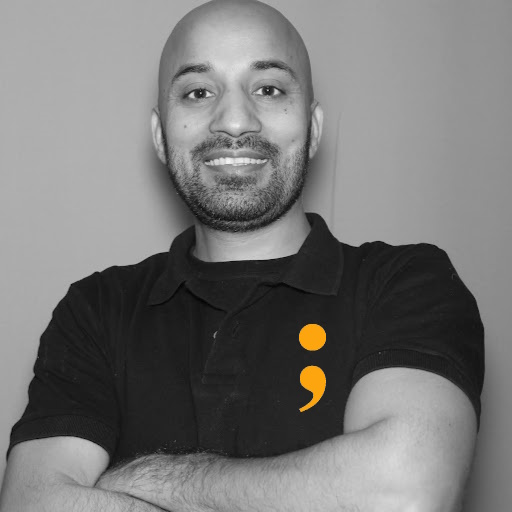
Tahir Rauf is the Sydney-based co-founder and CTO of Keeyu, whose AI agents keep e-commerce orders on track for retailers including Rebel Sport, Camilla and Helly Hansen. Keeyu has raised $7M across angel, pre-seed and seed. Formerly at Mastercard and Woolworths, he writes about what happens to judgement when building gets cheap.
Tahir Rauf is the Sydney-based co-founder and CTO of Keeyu, which builds AI that keeps e-commerce orders on track between checkout and delivery. With his co-founders, he mapped 86 distinct problems in that stretch. Today more than 30 AI agents detect and act on order problems, through around 100 connectors to the store, warehouse and ERP systems retailers already run. Teams approve every workflow. Rebel Sport, Camilla and Helly Hansen saw ‘where is my order’ enquiries fall 50–90% within weeks of proactive tracking going live. Keeyu has raised $7M across angel, pre-seed and seed, and has been featured by Startmate.
Tahir is originally from Lahore, Pakistan, and worked on payments and retail systems at Mastercard and Woolworths before Keeyu. He writes about what happens when building gets cheap and judgement becomes the bottleneck, including the patterns he calls Reverse Hallucination and Vibe Blur. His approach is simple: “We design the fix first, then we connect the tech.”
Tahir Rauf is the Sydney-based co-founder and CTO of Keeyu, which builds AI that keeps e-commerce orders on track between checkout and delivery. With his co-founders, he mapped 86 distinct problems in that stretch. More than 30 AI agents now detect and act on order problems, through around 100 connectors to the store, warehouse and ERP systems retailers already run. Teams approve every workflow. Keeyu’s customers include Rebel Sport, Camilla, Helly Hansen and Decjuba. For Rebel Sport, Camilla and Helly Hansen, ‘where is my order’ enquiries fell 50–90% within weeks of proactive tracking going live. Keeyu has raised $7M across angel, pre-seed and seed, holds a SOC 2 Type 1 attestation and has been featured by Startmate.
Tahir argues that AI should be built into operations, not bolted onto dashboards, and that vertical agentic AI will beat general copilots. He is just as firm on accountability: agents reason and execute, humans oversee, and every action is transparent and reversible. As he puts it: “We don’t automate chaos.”
Originally from Lahore, Pakistan, Tahir studied at FAST-NU. A farmer-focused idea he worked on, using localised SMS and IVR, made the Top 25 Ideas at StartUp Cup Lahore. He has spent two decades building software. Before Keeyu, he worked on payments and retail systems at Mastercard and Woolworths. He was a Solution Architect at Mastercard, where he received an Achievement Award for a production fix that delivered a 1000x performance gain, plus awards for Simplify and Customer Focus.
His thesis: when building gets cheap, judgement, comprehension and accountability become the bottleneck. In Reverse Hallucination, he argues the bigger risk is no longer AI making things up, but people shipping output they never checked. In Vibe Blur, he describes how productivity outruns comprehension as vibe coding scales. More than 11,000 people follow him on LinkedIn, and his podcast appearances include Bee Formless, the Asia Tech Podcast, the AI InterConnect Podcast and Give it a Nudge.
Outside work, he is president of Sydhikers, the volunteer-run hiking group he started with friends in 2017. It now has thousands of members, has run hundreds of free hikes and climbs across Australia, and has helped thousands of people look after their physical and mental health.
My guest today is Tahir Rauf, co-founder and CTO of Keeyu, whose AI agents keep online orders on track. For Rebel Sport, Camilla and Helly Hansen, Keeyu cut ‘where is my order’ enquiries by 50 to 90 per cent within weeks of proactive tracking going live. Tahir’s story runs from Lahore through Mastercard and Woolworths. His warning for anyone shipping AI output: the machine isn’t making things up. The human just stopped checking. He calls it Reverse Hallucination. Welcome, Tahir.
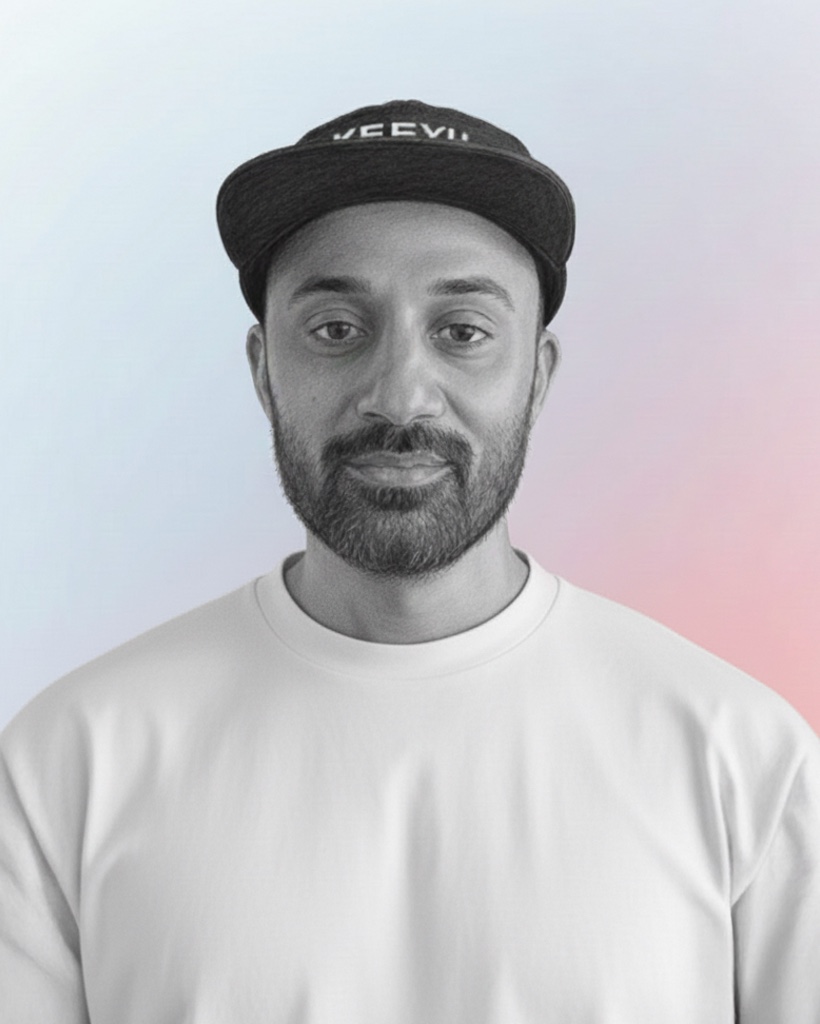
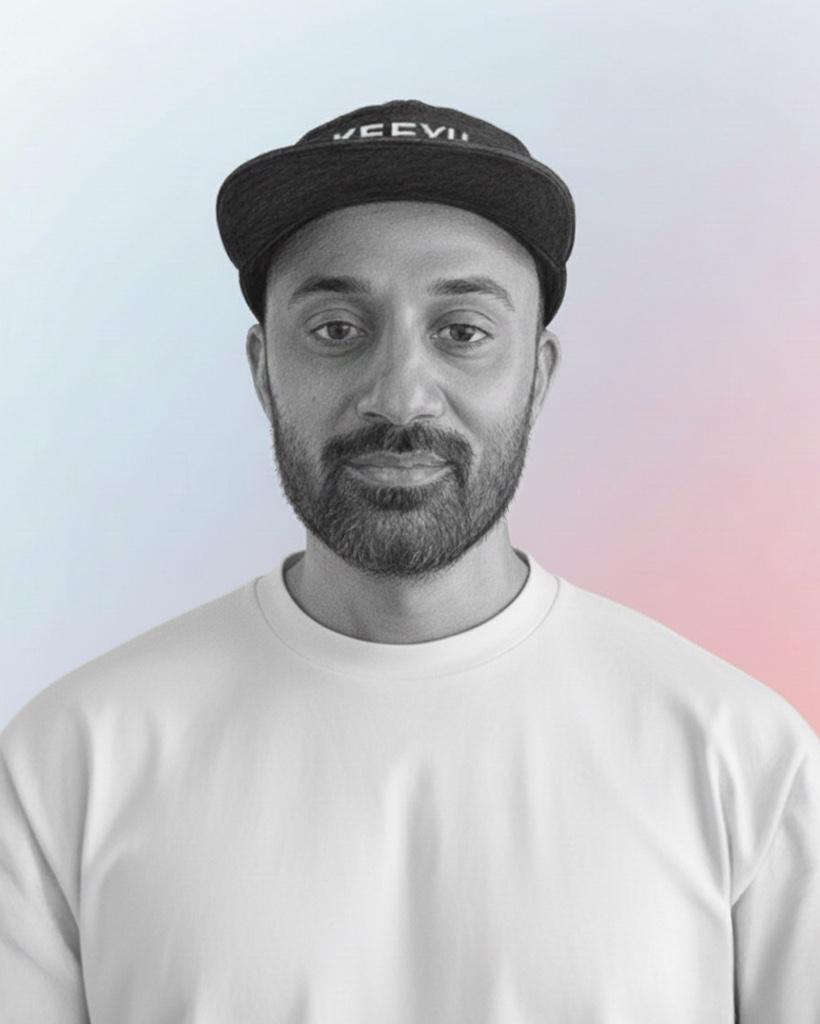
Portrait
Download portrait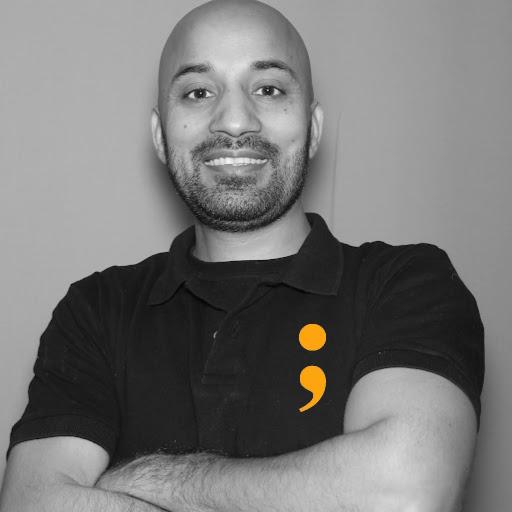
Black and white
Download black and whiteBooking
Start with a 60-minute intro call on Google Meet: pick a time on Tahir’s calendar, and you’ll arrange the recording together from there. Email the details below beforehand so he can prepare an episode that fits your audience.
Book an intro call: calendar.app.google/tooQEVFHYTTxgZf46